- 1st Floor, EWS Apartment, Bldg. No. 24, T. No. 7, Opp. Shri Ganesh Jewellers, Sector 10, Nerul (W) – 400706.
- info.shineinstitution@gmail.com
- 9930306606

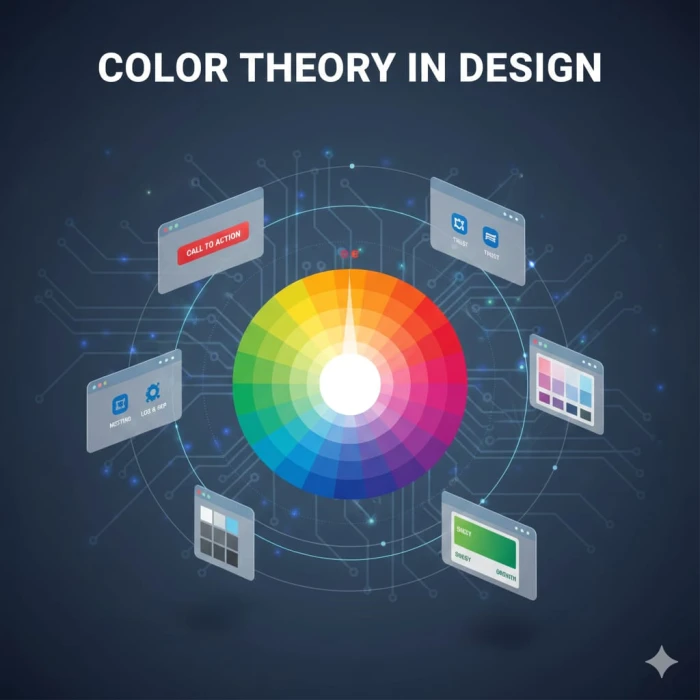
Importance of Color Theory in Design
Colors are more than just visual elements – they’re powerful tools that influence perception, mood, and behavior. Understanding color theory is essential for designers who want to create engaging, impactful, and aesthetically pleasing designs.
? Why Color Matters
Every color evokes emotions. For example, blue conveys trust, red signals urgency or excitement, and green reflects balance or growth. Using the right colors ensures that your design communicates the intended message effectively.
? The Psychology of Colors
Color choices affect how users perceive a brand or product. Designers must consider target audiences and cultural contexts. For instance, vibrant colors may attract younger users, while muted tones appeal to professional or corporate audiences.
? Practical Applications
Branding: Consistent color palettes strengthen brand identity.
Web & App Design: Color guides attention, highlights calls-to-action, and improves readability.
Print & Marketing: Choosing complementary colors enhances visual hierarchy and engagement.
✨ Tips for Designers
Learn about primary, secondary, and tertiary colors and how they mix.
Use complementary, analogous, and triadic color schemes for harmony.
Test color combinations for accessibility – ensure text contrasts well with backgrounds.
Mastering color theory not only elevates your design work but also helps you create memorable, visually striking experiences for users.
? Conclusion
From branding to web design, understanding color theory is a non-negotiable skill for every designer. Make your designs stand out, convey emotions, and leave a lasting impression by using colors thoughtfully.